

Indonesia boasts an incredible cultural diversity, encompassing over 17,000 islands and many ethnic groups. This amazing blend of different cultures is clearly seen in their food traditions, often closely connected to religious and social practices. These Indonesian cuisine transcend mere nourishment; they embody tradition, spirituality, and a joyful celebration of local customs.
Balinese Ngaben Ceremony: Culinary Offerings to Honor Ancestors
One of the most significant ceremonies in Bali is the giving, a Hindu cremation ritual that celebrates the soul’s journey to the afterlife. In Balinese culture, food plays a vital role in these ceremonies, symbolizing offerings to the deities and spirits of ancestors. The dishes prepared for the giving, which often showcase various elements of Indonesian cuisine, are meant for sustenance and are part of elaborate rituals that express gratitude and respect for the departed.

During ngaben, the offerings include a wide variety of traditional Balinese foods, such as lawar—a mix of finely chopped meat, grated coconut, and rich spices. The dish represents balance and harmony, themes central to Hindu philosophy. Another essential component is babi guling, or roasted suckling pig, infused with a spice blend called base genep. Balinese families and neighbors come together to prepare this dish, making it a symbol of the communal spirit and reserved for special occasions. The intricate presentation of these foods, with beautifully crafted garnishes and arrangements, emphasizes the aesthetic and spiritual dedication behind the ritual.
Betawi Culture and Sayur Asem
In contrast to the lavish and complex ngaben feast, the Betawi people of Jakarta have a simpler, equally meaningful culinary tradition centered around sayur asem. This tamarind-based vegetable soup symbolizes the Betawi community’s history and cultural adaptation, drawing on Javanese, Chinese, and Dutch influences. People often prepare sayur asem during traditional gatherings and local festivals, and its refreshing, tangy flavor makes it a beloved dish. It reflects the Betawi people’s adaptable and resilient spirit.
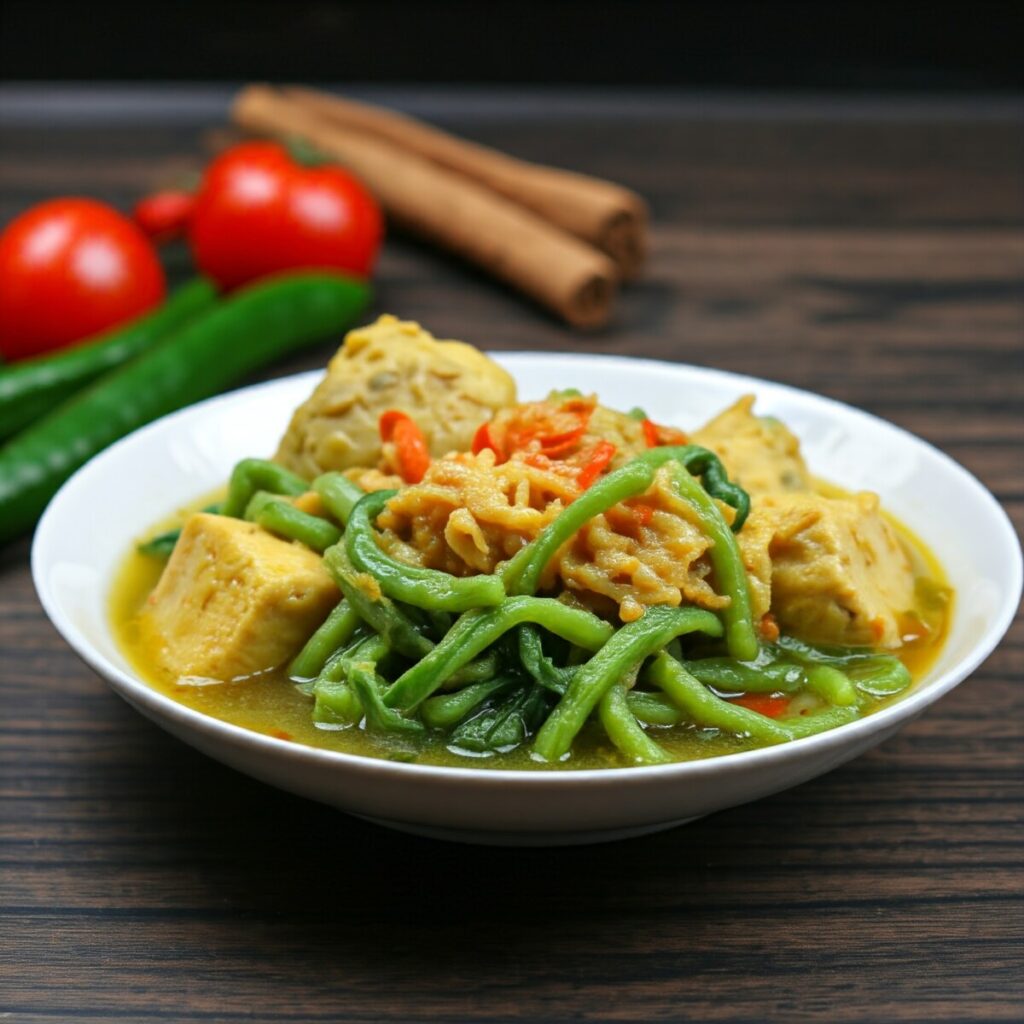
Sayur asem’s ingredients, such as peanuts, corn, and melinjo leaves, are tied to the community’s agrarian roots. The dish typically accompanies *pecak lele* (fried catfish with spicy sambal) and rice, creating a comforting and familiar meal. In many Betawi ceremonies, this simple dish reminds them of their cultural identity and communal values, especially as they strive to preserve their traditions in the rapidly modernizing city of Jakarta.
Read more Clink and Savor: Perfecting Champagne Pairing for Your Palate.
Tumpeng Tradition in Javanese Culture
In the heart of Java, the tumpeng is a traditional ceremonial dish with deep spiritual significance in Indonesian cuisine. A cone-shaped rice dish, often yellow from turmeric, served with eggs, fried chicken, vegetables, and spicy sambal. This iconic dish is key to Javanese rituals like Thanksgiving, birthdays, and inaugurations.
The cone shape of the rice represents Mount Meru, the sacred mountain in Hindu-Buddhist cosmology, and represents gratitude to God. Surrounding the rice are various accompaniments, each holding a symbolic meaning. For example, ayam ingkung (whole seasoned chicken) represents humility and devotion, while eggs signify the mystery of life. Tumpeng preparation and sharing symbolize unity and blessings, integral to Javanese social and spiritual life.
Papeda and Sago-Based Rituals in Papua and Maluku
In eastern Indonesia, particularly Papua and the Maluku Islands, sago is a staple and a symbol of life. One of the most culturally significant dishes is papeda, a glutinous sago porridge with various side dishes, such as sour fish soup or grilled seafood. Papeda is a daily meal and food deeply tied to traditional gatherings and ceremonies.
In local traditions, making and eating papeda shows the strong connection between the people and their land. Harvesting sago palms is a communal activity that fosters unity and support as everyone comes together to share the meal. For instance, in Maluku, a special treat called sagu lempeng, which is baked sago crackers, is served during family celebrations and rituals. These foods symbolize the community’s strong ties to nature and each other.
Mangkuak Tradition in the Minangkabau Rice Harvest Festival
In the highlands of West Sumatra, the Minangkabau people celebrate the rice harvest with manual. This ritual meal honors the hard work of farmers. After a successful harvest, the community holds a feast, serving dishes like gulai (curry), sambal lado, and traditional snacks in banana leaf cups or by hand.
This ritual reflects the Minangkabau’s agrarian heritage, emphasizing gratitude and reverence for the land. It fosters social ties as villagers unite to share their harvest, promoting cooperation and gratitude.