
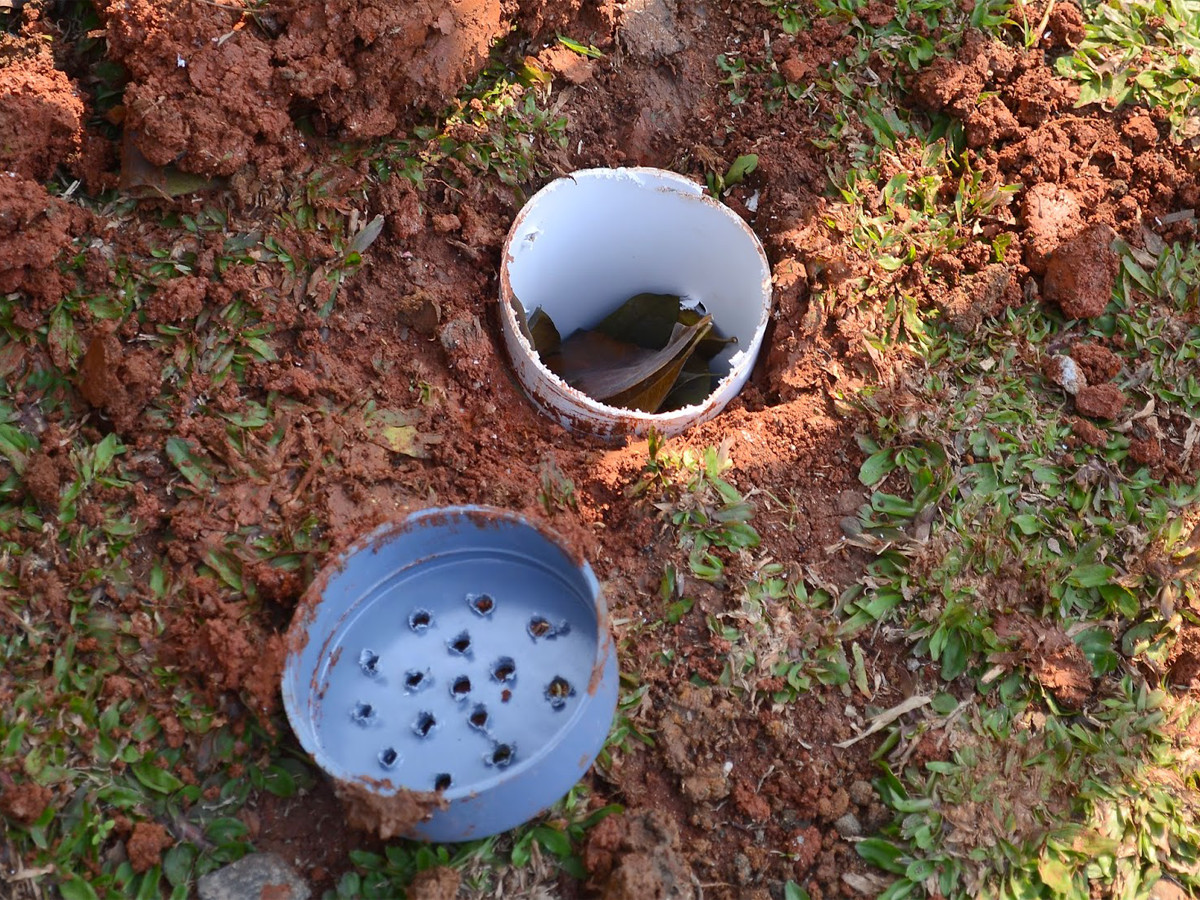
When the rainy season arrives, many cities in Indonesia and beyond face the same problem: water that has nowhere to go. Floods disrupt daily life, damage property, and strain infrastructure. One practical and eco-friendly solution is biopori, small vertical holes that help rainwater infiltrate the soil, rather than pooling on the surface. Biopori vs. floods is not just a catchy phrase; it’s a real strategy that every household can adopt to adapt to climate challenges.
What Is Biopori?
Biopores are cylindrical holes dug into the ground, typically 10–30 cm wide and up to 100 cm deep. They are filled with organic waste, such as leaves, food scraps, or garden clippings. As the waste decomposes, it improves soil quality while maintaining the hole’s open structure for water absorption. These simple structures act like natural sponges, allowing water to seep into underground aquifers rather than overflowing into streets.
Why Biopori Helps Prevent Floods
Flooding often occurs because urban areas are usually covered in concrete and asphalt, which reduces the land’s natural ability to absorb water. By creating multiple holes, households can:
- Increase Water Absorption – Even a few holes in a yard can make a big difference in reducing surface runoff.
- Recharge Groundwater – Instead of being wasted, rainwater nourishes underground reserves.
- Reduce Pressure on Drainage Systems – Biopori works in conjunction with existing infrastructure, alleviating the burden during heavy rainfall.
This makes the case of biopori vs. floods more than just theory—it’s a proven, practical tool for climate adaptation in cities.
Everyday Benefits of Biopori
Beyond flood prevention, biopori offer several household-level advantages:
- Natural Composting – Organic waste placed in biopori turns into nutrient-rich compost, perfect for gardening.
- Cleaner Environment – Reduces household garbage by turning food and yard waste into something useful.
- Healthier Soil – Microorganisms thrive inside biopori, improving soil structure and fertility.
- Cost-Effective Solution – Unlike large-scale drainage projects, biopori are cheap and easy for anyone to make.
How to Make a Biopori Hole at Home
You don’t need special equipment to get started. Here’s a quick guide:
- Choose a Location – Select a yard, garden, or any other area with soil that collects water.
- Dig the Hole – About 10–30 cm wide and up to 1 meter deep.
- Fill with Organic Waste – Use leaves, fruit peels, leftover vegetables, or grass clippings.
- Cover with Grating – Prevents accidents and keeps larger debris out.
- Maintain Regularly – Add waste weekly and check if the hole is still absorbing water effectively.
With just a few hours of work, you can join the movement right in your own backyard.
Biopori and Climate Adaptation
As climate change intensifies rainfall patterns, flood risks grow higher. Biopori is a small, scalable, and community-driven solution. Imagine if every household dug even three or four holes: entire neighborhoods could dramatically reduce flood risk while improving local soil health. Compared to costly infrastructure, empowers citizens to take immediate action with minimal resources.
Start Digging Today
Biopori vs. floods is not just an environmental slogan; it’s a household solution with real results. By digging these simple holes, families contribute to flood prevention, groundwater recharge, and waste reduction. When combined across entire communities, the impact becomes transformative. Every household has a role to play, and the time to start digging is now.